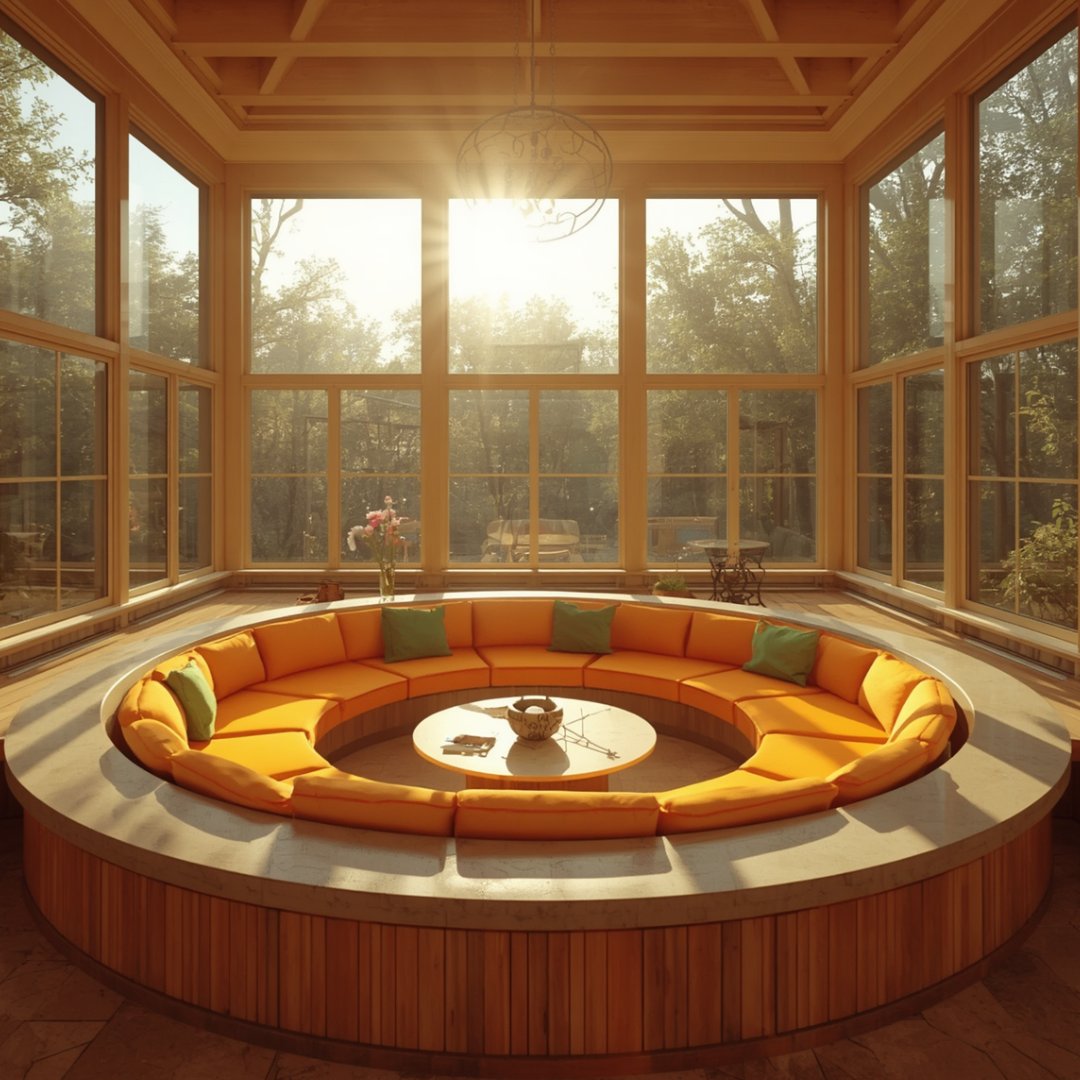
If you have been scrolling through Pinterest or Instagram lately and noticed a recurring image of a stylish, sunken seating area built directly into the floor of a living room — you are not imagining things. The conversation pit is back, and interior designers, luxury home buyers, and architecture enthusiasts are paying serious attention.
Here is everything you need to know about one of 2026's most talked-about home design trends — what it is, why it disappeared, why it is returning, and what it means for homeowners and buyers in Salt Lake City and beyond.
What Is a Conversation Pit?
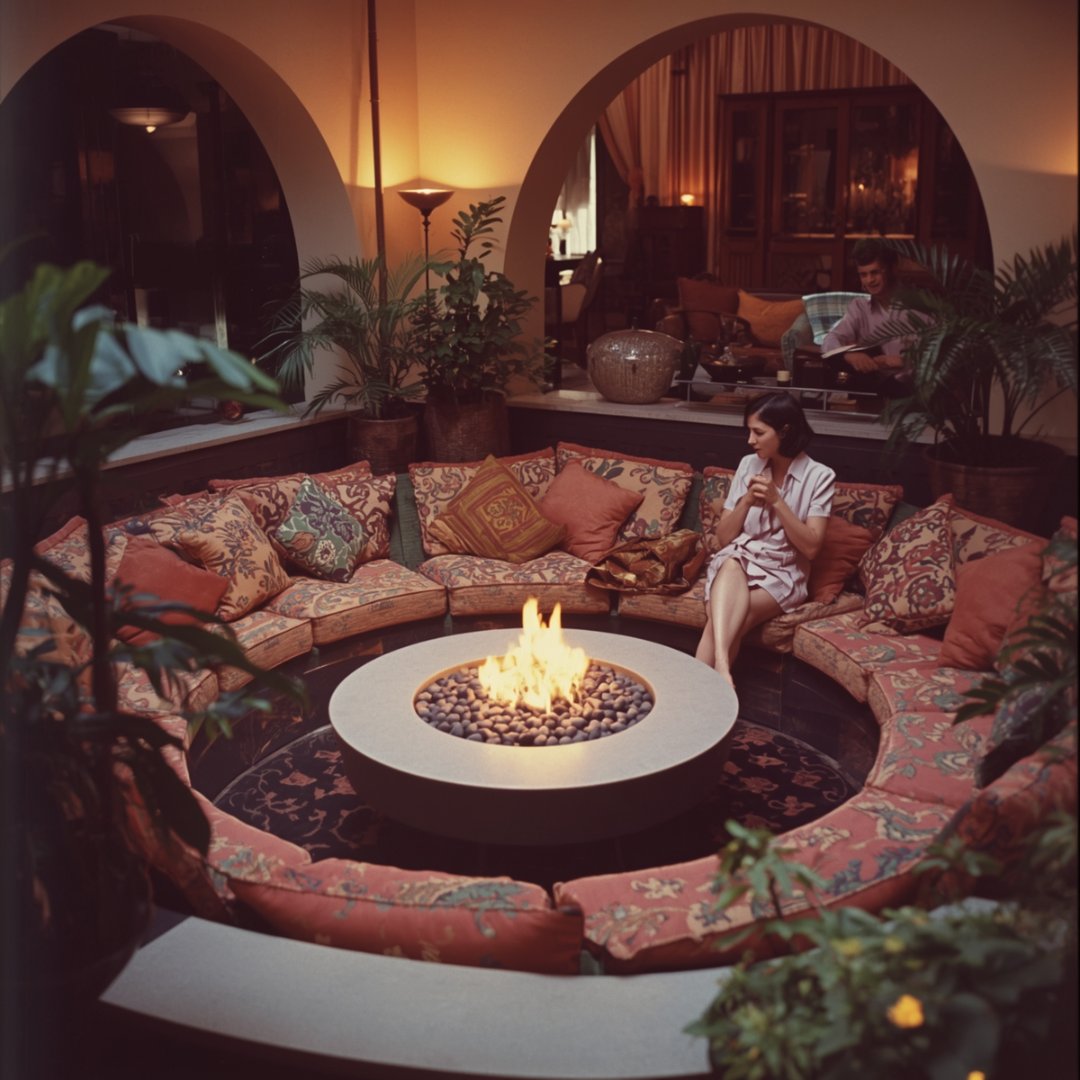
A conversation pit is a sunken seating area built directly into the floor of a living room, designed to create an intimate, enclosed space that naturally draws people together. Rather than furniture arranged around a central point, the architecture itself becomes the gathering place — a room within a room, defined by its lowered floor level and surrounding built-in seating.
The concept was first popularized in mid-century modern architecture during the 1950s and 1960s, when architects and designers were experimenting boldly with form, function, and the relationship between indoor and outdoor living. By the 1970s, the conversation pit had become a hallmark of stylish, intentional home entertaining — a symbol of homes designed for people, not just for square footage.
Why Did They Disappear?
The rise of open-concept living in the 1980s and 1990s effectively ended the conversation pit's reign. As American homeowners embraced bright, seamless, flexible floor plans that could accommodate growing families and evolving furniture arrangements, the sunken living room started to feel like a liability.
Critics pointed to practical concerns — conversation pits were seen as difficult to clean, a potential safety hazard, and incompatible with the kind of fluid, multi-purpose living spaces that open-concept design made possible. By the time the 2000s arrived, conversation pits had largely vanished from new construction and renovation projects alike, surviving mainly as a quirky feature in older homes.
But interior design trends are cyclical. And what felt impractical and dated in 1995 feels intentional, sophisticated, and deeply desirable in 2026.
Why the Conversation Pit Is Trending Again
The return of the sunken living room is not a random nostalgia cycle. It is a response to something real that has been building in the American home design conversation for several years.
After more than a decade of open-concept everything — kitchens bleeding into dining rooms bleeding into living rooms with no visual or architectural boundary between them — homeowners and designers are craving definition. Spaces that feel distinct. Rooms that have a purpose and a presence. Architecture that does something rather than simply opening up.
The conversation pit delivers exactly that. And several converging trends are accelerating its return:
The work-from-home era fundamentally changed how people think about their homes. When your home became your office, your gym, your social venue, and your sanctuary all at once, the stakes of how it felt to live in it increased dramatically. Homeowners began investing in their spaces in ways they never had before — and that investment increasingly went toward character and intentionality rather than generic finishes and square footage.
Social media platforms like Pinterest, Instagram, and design-focused content channels have made bold architectural interior moments highly shareable and searchable. A beautifully designed conversation pit photographs exceptionally well — it creates depth, texture, and visual interest that a flat open-plan living room simply cannot match. That shareability has driven awareness and aspiration in equal measure.
Luxury home buyers are increasingly seeking out properties with genuine architectural character over standard builder-grade layouts. In markets like Salt Lake City and Park City, where the luxury segment is active and discerning buyers have high expectations, unique design features like a well-executed conversation pit have become meaningful differentiators in a competitive listing environment.
And finally, there is a broader cultural nostalgia for mid-century modern and 1970s interior design aesthetics that has been building for years — from the revival of warm earth tones and natural materials to the return of curved furniture and organic shapes. The conversation pit fits naturally into that aesthetic moment.
What the Modern Conversation Pit Looks Like
Today's sunken living room is a long way from the shaggy carpet and avocado green upholstery of the original 1970s versions. The modern conversation pit has been completely reimagined for contemporary tastes — and the results are striking.
Current iterations typically feature clean architectural lines and minimalist built-in seating that feels deliberate rather than cluttered. Materials have been elevated significantly, with bouclé, velvet, linen, and natural stone replacing the synthetic fabrics of decades past. Integrated lighting — recessed, architectural, and ambient — adds warmth and drama without visual noise. Many modern designs incorporate a fireplace or fire pit element at the center, reinforcing the gathering function of the space and creating a natural focal point.
Color palettes lean warm and earthy — terracotta, sand, warm white, deep olive, and rich chocolate tones that feel grounded and elevated without feeling trend-dependent. The goal is a space that feels like a destination inside your own home — somewhere people naturally gravitate toward and linger in.
And from a real estate perspective, these spaces photograph beautifully. In a market where listing photography drives buyer interest before a single showing is booked, a well-designed conversation pit is a genuine competitive advantage.
What This Means for Salt Lake City and Park City Homeowners
For homeowners in Salt Lake City and Park City who are considering a renovation, the conversation pit is worth taking seriously — particularly in the luxury segment where architectural differentiation carries real value.
Buyers in these markets are increasingly looking for homes that feel considered and distinctive. A home with a well-executed sunken living room stands out in MLS searches, generates more engagement on social media listings, and tends to be more memorable to buyers who tour multiple properties in a day.
For sellers, unique architectural features like this can meaningfully impact both the speed of sale and the final sale price — particularly when paired with the kind of professional staging, photography, and marketing that showcases the space at its best.
And for buyers searching for a home with genuine character in Salt Lake City or Park City, knowing what to look for — and understanding why certain design features command a premium — is part of making a smart long-term investment in a property.
The Bottom Line
The conversation pit's return is not a gimmick or a fleeting trend. It is part of a broader shift in how homeowners and designers are thinking about what home should feel like — more intentional, more intimate, more architectural, and more personal.
Whether you are renovating your current home, searching for a property with genuine character, or simply staying ahead of the design trends shaping buyer preferences in Salt Lake City and Park City — the sunken living room is worth paying attention to in 2026.
Interested in finding a Salt Lake City or Park City home with genuine architectural character — or maximizing the value of the one you already have? Reach out anytime.


