
Inventory Remains Tight
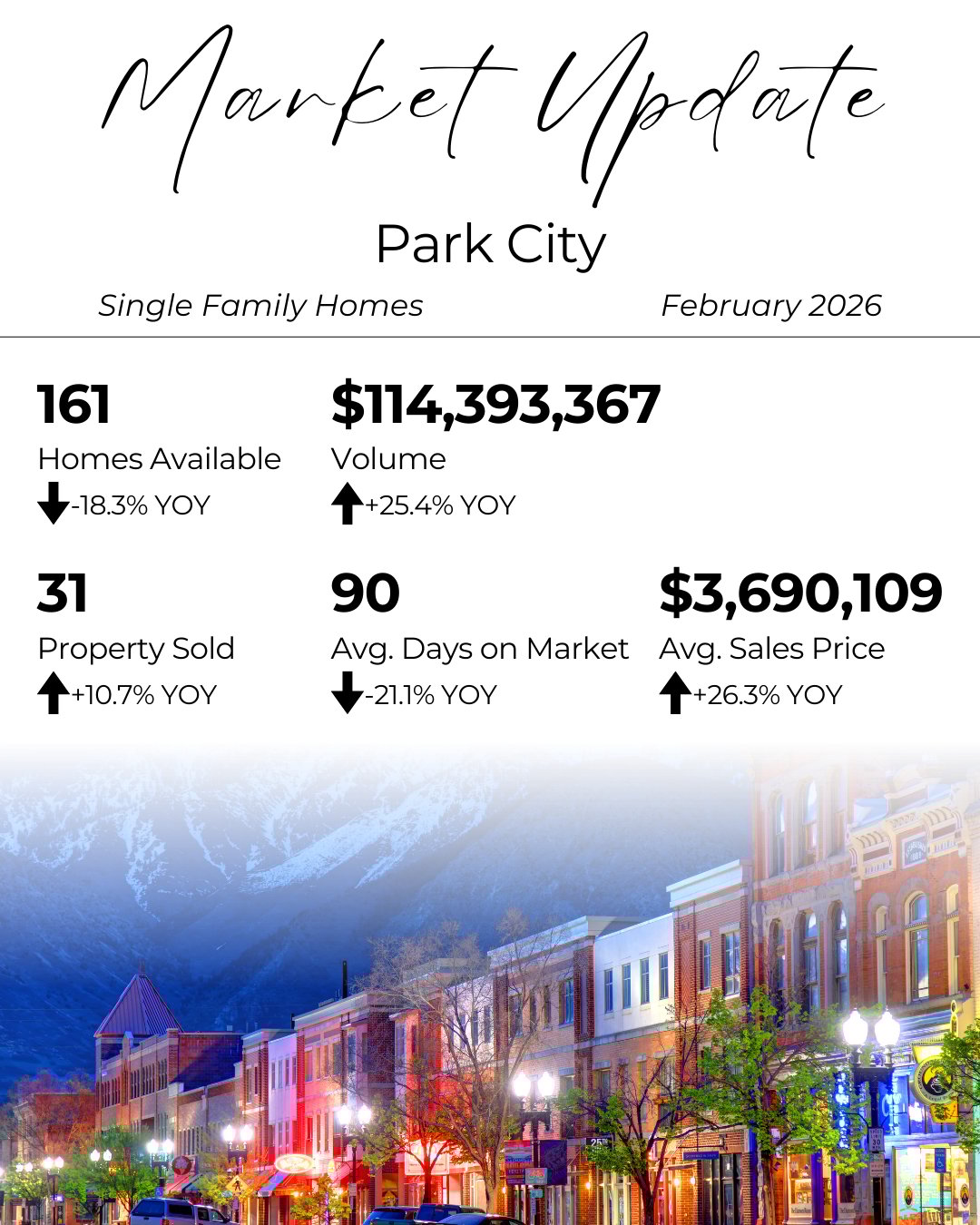
In February, 161 homes were available, compared to 153 in January. While this is a small increase month over month, the bigger story is still limited supply compared to last year.
Inventory in February was down 18.3% year over year, while January inventory was down 21.9% year over year. That means there are still significantly fewer homes on the market than a year ago, which can continue to support pricing in desirable neighborhoods.
For buyers, this highlights the importance of being prepared when the right property comes along.
Sales Activity Rebounded in February
The number of homes sold increased noticeably from January to February.
In January, 18 homes sold, while February saw 31 sales, signaling renewed activity as the year progresses.
Looking at the year-over-year comparison, February sales were up 10.7%, while January was down 30.8% year over year. This suggests that January was slower compared to the same time last year, but February showed a strong rebound in buyer activity.
Luxury markets often experience more month-to-month variability because fewer transactions can significantly impact the data.
Sales Volume Saw a Significant Increase
As more homes sold in February, the total dollar volume also jumped.
Total sales volume reached $114,393,367 in February, compared to $65,844,754 in January. This reflects both increased transaction activity and the continued strength of high-value home sales.
Year over year, the shift is even more noticeable. February volume was up 25.4%, while January volume had been down 54.7% compared to the previous year. This reinforces the idea that February represented a strong recovery after a slower start to the year.
Homes Are Selling Faster
The average days on market dropped from 122 days in January to 90 days in February. This suggests that buyers who are active in the market are moving more quickly when the right property appears.
Year over year, homes are also selling faster. February’s average days on market were down 21.1% compared to last year, while January was down 31.5% year over year.
In luxury markets like Park City, pricing, location, and property quality can significantly influence how quickly a home sells.
Average Sales Price Remains Strong
The average sales price in February was $3,690,109, compared to $3,658,042 in January. While the month-to-month change is relatively modest, both months reflect the high-end nature of Park City’s housing market.
The year-over-year comparison tells a larger story. February’s average price was up 26.3% compared to last year, while January showed a 27.8% year-over-year decline. Because luxury markets often have fewer transactions, a handful of high-value sales can significantly influence the average price.
Overall, February’s numbers suggest renewed strength in pricing compared to earlier in the year.
What These Numbers Suggest About the Park City Market
Taken together, the February data indicates a strong rebound in activity after a slower January. Sales increased, total volume rose significantly, and homes sold faster, while inventory remains limited compared to last year.
The luxury segment in Park City continues to attract buyers, and tight supply may continue to support pricing in desirable communities.
Looking Ahead
As we move closer to the spring and summer seasons — which are often active periods for the Park City market — it will be interesting to see whether inventory begins to increase and whether demand continues at this pace.
For buyers and sellers alike, understanding these trends can help guide timing and strategy in a market that can shift quickly.
If you’re considering buying or selling in Park City and want a clearer picture of what these numbers mean for your specific property or goals, a personalized conversation can help put the data into context.


